

Your Complete Guide to Scuba Diving in Bohol Philippines

Bohol is the best place for scuba divers that offers a range of dive sites to cater to all levels of experience. With its blue waters, vibrant coral reefs, and diverse marine life, Bohol is the best destination to explore and marvel at the amazing wonders of the ocean. If you haven’t been to Bohol and want to learn more about its wonders, here’s a complete guide to scuba diving that shares the essential information you need to know! Your Guide to Diving in Bohol Philippines Best Seasons to Visit Before you go diving, it is important that you choose the best time to visit for optimal diving conditions and visibility. Regularly check the weather forecast before going to Bohol and consider these periods: January to April The ideal time to visit is during the dry season, typically when the water is visible and no rain occurs. May and December These are months that signal the transition from dry and wet seasons respectively. Be mindful that weather can be unpredictable during these months. June to November This is usually the start of the wet season, so tides tend to be stronger which makes the water more murky and potentially unsafe. Best Places to Stay You will also need a place to stay for the night, so keep in mind how much money you are prepared to spend on your lodgings. Here are some of the best places to get some needed rest in Bohol: Save Money (₱240 to ₱900 per person) – If you need to stick to a budget, then stay at the Mad Monkey Backpacker Hostel in Sitio Daorong Boulevard, Panglao. Moderate Price (₱3,200 to ₱4,000 per person) – Do you want a nice place with air-conditioning and a pool? Then Manta Dream Dive Resort might be the place for you. This modest resort is situated in Anos Fonacier Circumferential Road, Panglao. Luxury Experience (₱9,000 to ₱30,000 per person) – Previously known as South Palm Resort, now renamed Oceania has a spa, gym, and its own team of diving instructors. Convenient Location (₱9,000 to ₱40,000 per person) – Henann Resort is the most convenient location due to it being within walking distance of many of the famed dive sites around Bohol. 18 Best Bohol Scuba Diving Spots After planning out when to visit and where to stay, you can now explore the breathtaking underwater world Bohol offers, teeming with diverse marine life. Explore our list of the 18 best scuba diving spots, catering to various experience levels and dive preferences: 1. Balicasag Island Balicasag Island is renowned for its pristine marine environment and excellent visibility, making it a top spot for Bohol diving. The island’s marine sanctuary ensures the preservation of its underwater beauty, making diving in Bohol, Philippines truly exceptional. DID YOU KNOW: The island features several dive sites, including the Black Forest and Cathedral, known for their stunning coral gardens and abundant fish species. Divers can expect to see schools of jacks, barracudas, and an array of colorful reef fish. 2. Panglao Island Panglao Island has many dive sites, each with its own unique selling points. Arco Point, known for its swim-through arches and tunnels, provides an exciting adventure for more experienced divers. Alona Beach, with its easy access and calm waters, is perfect for beginners and night divers. Panglao is a central hub for Bohol scuba diving, attracting divers from around the world. 3. Cabilao Island Cabilao Island is a hidden gem for Bohol scuba diving, offering a tranquil experience away from the crowds. The island’s dive sites, such as the Lighthouse and Gorgonian Wall, are characterized by healthy coral reefs, sea fans, and large barrel sponges. The island’s protected status helps maintain its vibrant marine ecosystem, ensuring a rewarding experience for those diving in Bohol, Philippines. FUN FACT: Divers can also encounter pygmy seahorses, frogfish, and a variety of nudibranchs which are colorful sea slugs. 4. Pamilacan Island Pamilacan Island is a haven for those seeking encounters with large marine creatures, making it a standout destination for Bohol diving. Its dive sites, like Dakit-Dakit and Snake Island, are frequented by manta rays, whale sharks, and dolphins. The island’s waters are also home to extensive coral gardens and diverse fish populations. Pamilacan’s commitment to sustainable tourism ensures the conservation of its marine habitats, providing an unforgettable Bohol scuba diving experience. 5. Anda Anda, located on the eastern coast of Bohol, is an emerging dive destination known for its macro life and unspoiled reefs. Anda’s laid-back atmosphere and smaller crowds make it an ideal spot for a peaceful diving getaway. Anda offers pristine conditions and rich marine biodiversity for those seeking a unique Bohol scuba diving experience. DID YOU KNOW: Dive sites such as Wonder Wall and Paradise Garden boast vibrant corals, critters like ghost pipefish, and numerous anemones. 6. Balicasag Marine Sanctuary Balicasag Marine Sanctuary is one of the top dive sites in Bohol, offering incredible biodiversity and protected marine life. Divers can explore Turtle Point, known for its frequent turtle sightings, and Sanctuary Wall, home to vibrant corals and reef fish. The sanctuary’s conservation efforts have resulted in thriving underwater ecosystems. 7. Napaling Napaling offers a unique diving experience with its vertical wall dives and coral-covered slopes. This site is particularly known for its large sea fans, soft corals, and diverse marine species. The clear waters provide excellent visibility, enhancing the diving experience and making it a highlight of Bohol scuba diving. FUN FACT: Divers can expect to see schools of fusiliers, snappers, and the occasional reef shark so observe them at a safe distance. 8. Doljo House Reef Doljo House Reef is an easily accessible dive site located off Doljo Beach. Known for its calm conditions and diverse marine life, the reef is perfect for beginners and night dives. Divers can explore the colorful coral gardens and spot a variety of fish
8 Types of Shipments for RoRo Vessels
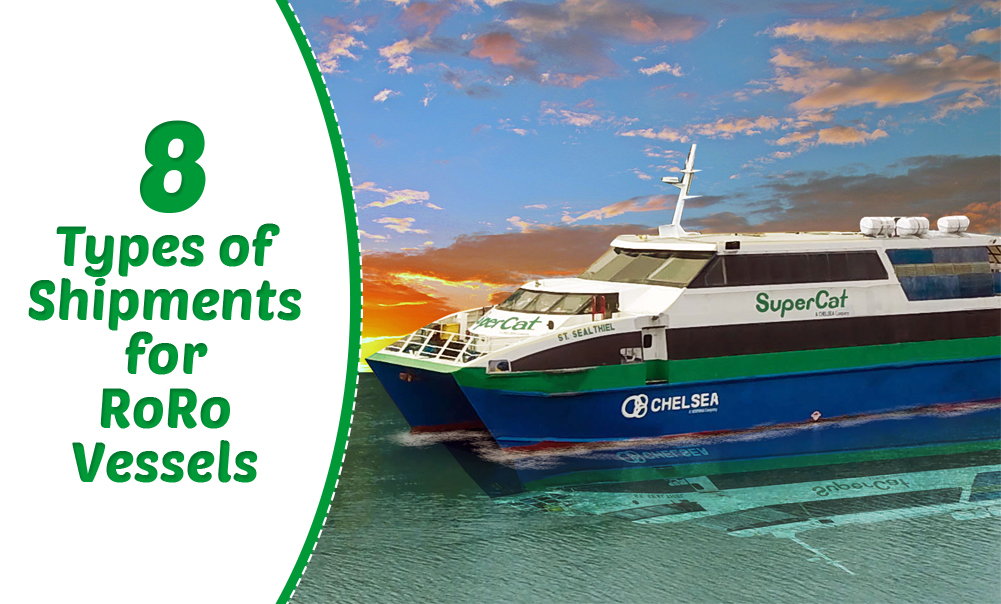
Roll-on/Roll-off (RoRo) vessels have revolutionized the shipping industry by offering a flexible and efficient method for transporting various types of cargo. Unlike traditional cargo ships, RoRo vessels are designed to carry wheeled cargo that can be driven on and off the ship which provides an easy load-unload process. This unique capability makes RoRo vessels ideal for a range of shipments, from big complex parts to heavy industrial machinery. Understanding the different types of RoRo shipments that can be transported via RoRo vessels can help your business make good decisions for your shipping needs. Here is your guide to the 8 types of shipments that RoRo vessels can transport: 8 Types of Shipments for RoRo Ships Vehicular Cargo: Cars Automobiles are one of the most common types of cargo transported on RoRo vessels. Whether it’s for private owners relocating to a new country, dealerships moving inventory, or manufacturers exporting new models, RoRo ships provide a secure and efficient way to transport cars. Trucks Trucks of all sizes, from light-duty pickups to heavy-duty freight trucks, are frequently shipped using RoRo vessels. This method is particularly advantageous for commercial fleet operators and logistics companies that need to move large numbers of trucks between locations. Buses RoRo vessels are also well-suited for transporting buses, whether for public transportation networks, private charter companies, or school districts. Shipping buses via RoRo allows for the efficient movement of large vehicles that might otherwise be difficult to transport. Motorcycles All from individual bikes to large consignments for dealerships, can be easily transported using RoRo vessels. This shipping method is popular among enthusiasts who purchase bikes from overseas, as well as manufacturers and distributors. Construction Equipment Construction vehicles, such as bulldozers, excavators, and cranes, can be efficiently transported using RoRo vessels. These types of shipments are critical for construction companies working on international projects. RoRo shipping provides a cost-effective and safe way to move such large and heavy machinery, which would be challenging to handle with traditional shipping methods. Agricultural Equipment Farmers and agricultural businesses often rely on RoRo vessels to transport their machinery, including tractors, harvesters, and plows. The ease of rolling these large pieces of equipment on and off the vessel makes RoRo shipping an attractive option. This ensures that the equipment arrives ready for use, allowing agricultural operations to continue without significant delays. Stationary Cargo: Break Bulk Cargo These include items that usually come in the form of crates that contain separate pieces of machinery, industrial parts, and oversized goods that do not fit into standard shipping containers. This type of cargo often demands careful storage to prevent damage during transit. High & Heavy Cargo Cargo like these are often large industrial machines, wind turbine components, and other oversized items, which are ideally suited for RoRo vessels. These shipments benefit from the vessel’s ability to accommodate high and heavy loads without the need for cranes or other specialized equipment. Get Things Moving with RoRo Shipping RoRo vessels can accommodate a wide variety of cargo types and transport them efficiently. From personal vehicles and commercial trucks to heavy industrial equipment and oversized machinery, the roll-on, roll-off method simplifies the shipping process and reduces the risk of damage. ALSO READ: 6 TYPES OF FERRIES IN THE PHILIPPINES FOR SEA TRAVEL Understanding the types of shipments that can be accommodated by RoRo vessels helps businesses and individuals make informed decisions, ensuring their cargo arrives safely and efficiently at its destination. Whether you’re shipping a single motorcycle or an entire fleet of trucks, RoRo vessels provide a reliable and effective option for your transportation needs. If you are looking for fast transportation across seas, SuperCat can help your business thrive with the varied routes of our high-speed catamarans. Contact us now to help you find safe and speedy transport around the Philippines.
The Complete Guide to Roro Travel From Manila to Iloilo
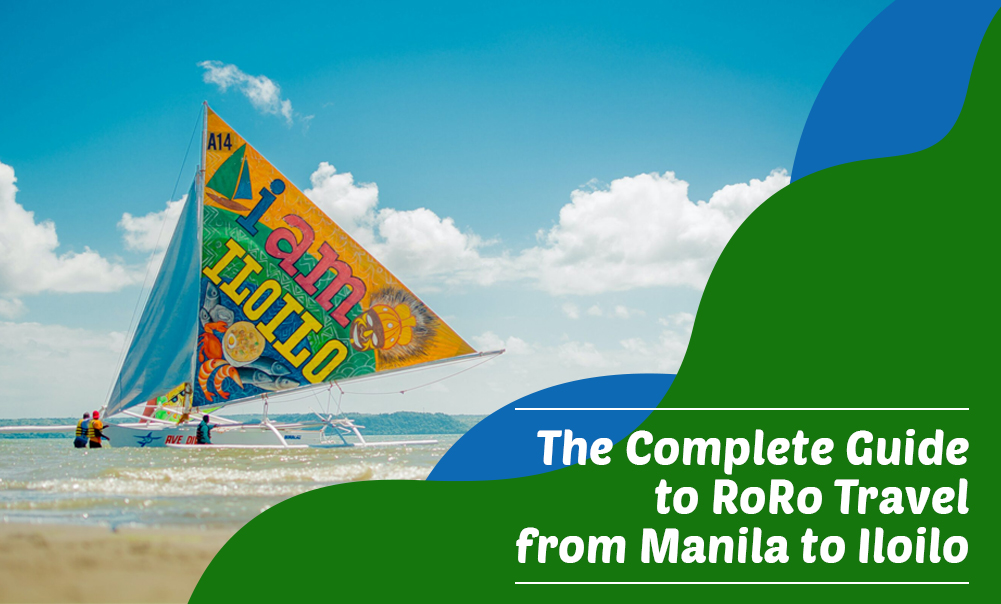
The long journey from Manila to Iloilo via Roro (Roll-on/Roll-off) travel can be a challenge if you are not familiar with the route. You might be a passenger that seeks a worry-free travel experience for your vacation or a business owner who needs reliable transport for goods and vehicles, Roro services caters to both. This guide provides all the essential information of what you need to know, from preparation and departure to the journey itself and arrival in Iloilo. Whether you will travel for business or pleasure, this guide aims to make your Manila to Iloilo Roro travel experience as seamless as possible. Essential Travel Guide from Manila to Iloilo Roro 1. Prepare Before the Trip It is crucial to prepare for all aspects of your trip before departure. This will ensure that you won’t have to worry about potential problems like being lost or leaving behind important documents. So here is the list of things to consider before the actual trip: Best Times to Travel If you are a passenger, the ideal period to visit Iloilo is around the months of January to May. This is due to the sunny weather during that season which makes it easy to go sightseeing. This can also apply to business owners as the dry months make it easier to transport your cargo without the added complications of rainy weather. Book Tickets Early Make sure to book your tickets months or weeks in advance so that you have no problems with finding the right travel accommodations for you on the Manila to Iloilo Roro route: Economy Class – These are usually cheaper seats that you have to share with others. These seats have no aircon. Tourist Class – Seats here are still shared but aircon is now available, there is an armrest for chairs and access to the comfort room as well. Business Class – Offers you wider legroom and in some cases your own private cabin. Make sure to read the safety guidelines and regulations of the ferry company to help you decide on which passenger class is good for you for the Manila to Iloilo trip. What to Pack for Roro Travel For most of your Roro Manila to Iloilo trip you will be always on the move. Pack light (backpacks or a single luggage bag) Use plastic sealable bags (sort your things) Secure important travel documents (booking tickets, IDs, vehicle registration, travel permits) Bring personal hygiene items (toothbrush and soap) Comfortable sleep items (neck pillow and eye mask) Remember to keep your bags nearby for the duration of the trip! 2. Choose a Travel Route Now that you have made preparations for your long trip from Manila to Iloilo Roro, you must now decide on the road transport you will take to go to the Roro vessel. A Roro boat from Manila to Iloilo and vice versa can take anywhere from 20 to 28 hours of total travel time. Your options are dependent on the level of convenience and budget you are comfortable with: Book a Roro Bus A Roro bus is a bus that will drive you to the port and go inside the Roro vessel. Which will then make its way to your destination. PROS: No need to worry about vehicle permits since you are not the one driving. You can just sit and relax or sleep during the journey. You aren’t completely exhausted since the trip is almost seamless CONS: You would have to share your space with many other people. Bathroom breaks can be infrequent since drivers have to keep on schedule. Usually, the bus fare is separate from the payment for the ferry ticket. 2. Drive Your Own Vehicle You can also have the option to bring your own vehicle to the port to enter the Roro vessel. Just be sure to have all the necessary documents such as vehicle registration and transport permit. PROS: You have all the space in your vehicle to yourself. You can have your own schedule for when you arrive at each of your transit points before making it to the final destination. CONS: Driving will likely exhaust your energy for the whole trip. Possibility of delays due to unplanned pit stops. 3. Transport Trucks (for Business) If you are a business owner then consider the use of transport trucks that haul storage containers for the Roro Manila to Iloilo route. This will make your business operations more efficient as the trucks carrying the cargo don’t have to go through the long load and unload process. 3. Board the Roro Vessel After you have chosen a mode of transport, it is now time to board the Roro vessel. Be sure to have all of the necessary documents to process your baggage or cargo for your business. Make sure to follow these well-traversed Manila to Iloilo Roro routes and update yourself on any harsh weather conditions or traffic to prepare for the long journey: Roro Manila to Iloilo There is a direct route from Manila to Iloilo. However, keep in mind that Manila’s port area tends to be overcrowded with people and ships which could lead to further delays for your trip. The route from Batangas to Caticlan is a great alternative: Traveling to Batangas is fast and easy. You have a chance to see a more scenic route or plan a side trip to nearby attractions. Reduce the number of hours onboard a boat. This is the route from Batangas to Calapan to Caticlan: Drive to Batangas port Take a ferry from Batangas to Calapan Once in Calapan drive to Roxas, Dangay Port In Dangay Port take a vessel to Caticlan Upon arrival at Caticlan drive to Iloilo City Roro Iloilo to Manila Travel direct from Iloilo to Manila: Drive to Iloilo Pier, Fort San Pedro to book a trip straight You will arrive at Manila North Harbor Pier Travel via Bacolod City: Go to Iloilo Port and book a trip to Bacolod City Once
Tips for Planning Your Cebu to Bohol Itinerary

The Cebu to Bohol tour is one of the most well-known and best travel routes if you’re looking for fun under the sun. This tour offers a diverse range of activities and attractions, making it perfect for travelers of all types. Visitors can expect to see historical churches, sandy beaches and abundant wildlife that can indulge your desire for thrills and relaxation. This article will give you advice that ensures you make the most of your time throughout all these spectacular destinations you will visit. If you want some relaxation, adventure or a bit of cultural experiences, these tips will help you plan a seamless Cebu to Bohol itinerary that doesn’t put your money at risk and creates awesome memories along the way. 7 Tips for Your Cebu to Bohol Tour 1. Stick to Your Budget Plan your budget and stick to it for most of the trip. The problem with these kinds of long adventures is that you usually forget to keep track of your expenses. One moment you pay for a car rental service, then spend more money on food and drinks at some random bar. Since you will visit many places within the span of a few days or weeks it is likely you will lose track of your expenses. Have a Cebu to Bohol travel guide ready to help you prepare for the many events you plan to do. Consider factors such as accommodation, transportation, activities and souvenirs for your expenses. Look for affordable accommodation options such as guesthouses or homestays and consider booking in advance to secure the best rates. If you are looking for affordable accommodations in Tagbilaran, book at these hotels for your Cebu to Bohol tour: BUDGET HOTELS: Jaz-M Pension House – A nice small building to spend the night with rooms that are just right for solo or group travel. Address: Remolador Ext St, Tagbilaran City, 6300 Bohol Price range: ₱900 – ₱1,500 Caimito Drive Dampas – A modest sized apartelle that has enough parking space for cars or motorbikes, they also have a reception room. Address: Mansasa-Dampas Road 143 Dampas District, 6300 Tagbilaran City Price range: ₱1,180 – ₱1,450 Constrell Pension House – Has more options for prices of rooms and has the added benefit of being close to the various ports in Bohol. Address: 25 New Calceta Street, Tagbilaran City Price range: ₱990 – ₱1,490 B&J Guesthouse and Tours – This moderately priced guest houses have complimentary WiFi, mini fridges and serve breakfasts. Address: 0409 Bantol Street Dampas District, Tagbilaran City Price range: ₱1,386 – ₱5,546 MID RANGE HOTELS: Harbour Gardens Tourist Inn – A cozy place to spend the night that also has a moderately sized swimming pool. Address: 0088 J.A Graham Ave, Tagbilaran City Price range: ₱1,264 – ₱1,400 Ocean Suites – The advantage of this hotel lies in its close proximity to many attractions in Bohol and better service. Address: VP Inting Avenue,, Bool District, Tagbilaran City Price range: ₱2,800 – ₱4,000 LUXURY HOTELS: Bohol Tropics Resort – A big resort with an even larger pool, this is ideal for fun times with many family members or company retreats. Address: Graham Street, Tagbilaran City Price range: ₱2,200 – ₱2,650 Dao Diamond Hotel – Offers high class cuisine in their inhouse restaurant and also has the option to host celebrations in their events space. Address: 821 J.A. Clarin St, Dao District, Tagbilaran City Price range: ₱2,520 – ₱3,074 2. Save on Food Expenses Continuous stays from restaurant to restaurant can quickly eat into the budget for your Cebu to Bohol itinerary, so look for affordable yet delicious options. Try the local eateries for authentic flavors and skip expensive tourist restaurants. Look up well-known street food stalls and market vendors for budget-friendly meals. Also don’t forget to sample Bohol’s famous delicacies such as Calamay or their cookies ‘Peanut Kisses’. Try not to overeat as this will exhaust you during the trip as it can lead you to waste time and possibly even get sick. Remember what you came here to experience and leave the thought of going for expensive cuisine once you get back home. 3. Pack Light and Convenient If you want to experience a full day of adventurous activities, don’t carry around heavy luggage bags for the whole of your Cebu to Bohol tour. Ideally, bring one backpack and maybe a smaller bag for other amenities. If you plan to travel with family or friends, pack at least one big luggage bag but have the rest be carry-ons. Light travel not only saves you money on baggage fees but also makes going through airports and ferry terminals easier. Prioritize essential items to avoid overpacking such as identification papers and portable gadgets. Invest in lightweight, compact travel gear like a collapsible water bottle, microfiber towel and multi-purpose toiletry products to save space in your luggage. 4. Decide Where to Visit Think about what you want to be doing once you get to Bohol. Do you want to relax or do you want to participate in exciting activities? Here are some of the best tourist destinations to visit for your Cebu to Bohol itinerary: Relaxation Virgin Island beach for some drinks and scenic ocean views to have fun with friends. PRICE RANGE: ₱1,200 – ₱1,800 Bilar Man-Made Forest, a dense cool forest with walking trails that will refresh you. ENTRANCE FEE: ₱100 OPENING HOURS: 8:00 AM – 5:00 PM Loboc Riverwatch Floating Resto lets you enjoy a buffet while floating through Loboc river. COSTS: ₱800 – ₱1,000 per person Adventure Loboc Ecotourism Adventure Park has many ziplines and water sports activities to satisfy your inner adventurer. COSTS: Zipline – ₱350 per person Cable Car – ₱250 per person Cable Car & Zipline – ₱550 per person OPENING HOURS: 8:30 AM – 5:30 PM Balicasag Island is a premiere spot for deep sea diving to see and appreciate all the various marine
How to Relieve Motion Sickness and Have a Safe and Convenient Sea Travel

Sea travel offers a unique and unforgettable experience, but for some, the anticipation can be ruined because they don’t know how to stop sea sickness. Don’t let nausea and dizziness spoil your dream cruise or ferry trip! With a bit of preparation and some clever strategies, you can conquer motion sickness and fully enjoy the journey. Here are 7 essential tips on how to manage sea sickness so you can have a safe and comfortable voyage: 7 Tips on How to Relieve Motion Sickness Choose the Right Medication If you’re wondering how to stop motion sickness, consulting your doctor well ahead of your trip is a great first step. They can recommend over-the-counter or prescription medications specifically formulated for preventing motion sickness. Common options include antihistamines like meclizine (Dramamine) or diphenhydramine (Benadryl), as well as scopolamine patches. Discuss potential side effects with your doctor and choose the medication that best suits your individual needs. A quick chat with your healthcare provider can make a world of difference in how you experience your trip. Pick a Stable Cabin Curious about how to manage seasickness? The location of your cabin can significantly impact your experience. Stay in a cabin somewhere in the middle of the ship, on the lower decks. These areas experience less rocking compared to cabins at the front or back of the ship, or on higher decks. If you have the option, consider booking a cabin with a balcony. Fresh air and access to the horizon can help some people feel more grounded. Being strategic about your cabin choice is a simple yet effective way to stop sea sickness. Try Some Natural Remedies Ginger is a natural remedy with a long history of use in combating nausea. Consume ginger in various ways before, during, and after your trip. Ginger candies, ginger tea, or even ginger chews can provide relief. Incorporating ginger into your travel routine is a natural way to keep nausea at bay. Hydrate Dehydration can exacerbate motion sickness. Stay hydrated throughout your trip by sipping on water regularly. This is among the simple ways on how to stop sea sickness. Avoid sugary drinks and alcohol, which can dehydrate you and worsen your symptoms. Keeping a water bottle handy and taking small sips throughout the day can help you stay ahead of dehydration. Eat Light, Bland Meals Opt for light, easily digestible meals before and during your travels. Heavy meals and greasy foods can slow digestion and make you nauseous. Choose fruits, crackers, or plain yogurt for a gentle meal. Keeping your diet simple and light is a smart move to maintain your comfort. Buy Some Acupressure Bands Acupressure wristbands apply pressure to a specific point on your wrist that is believed to help combat nausea based on some research. These are readily available and can be a drug-free option for some travelers. Giving acupressure a try could provide additional relief if other methods aren’t enough. Find Your Sea Legs As much as possible, step out onto the open deck and breathe in the fresh air. Focus on a fixed point on the horizon, such as a distant coastline or another ship. This helps your inner ear’s sense of balance align with your visual perception, reducing the feeling of disorientation. Spending some time outside looking at the sun and sky can help you feel grounded. Say Bye to Seasickness! Through these tips on how to manage sea sickness, having a smooth, enjoyable sea adventure is a possibility. Pack your seasickness remedies, choose your cabin wisely, and embrace the fresh air and stunning views. Remember, a little preparation can go a long way in transforming your sea travel from a potential nightmare to a cherished memory. ALSO READ: BUSINESS TRAVEL HACKS THAT PHILIPPINE TRAVELERS MUST KNOW If you want a fast, smooth trip around the Philippine seas, book a ferry with SuperCat. SuperCat Fast Ferry Corporation deals with the movement of passengers through high-speed catamaran ferries. Contact us and have a quick and hassle-free trip!
Business Travel Hacks that Philippine Travelers Must Know
Business travel in the Philippines can be both exciting and exhausting, especially when you come across the same problems: huge expenses, long procedures, and inconvenient travel times. In the fast-paced world of commerce, efficiency is key, and knowing how to navigate the ins and outs of business travel can make all the difference. Whether it’s mastering the art of packing light or harnessing technology to streamline your itinerary, having a few tricks up your sleeve can greatly enhance your travel experience. This guide will cover 9 essential business class travel hacks for Philippine travelers, ensuring smoother journeys and maximizing productivity while in transit. 9 Must-Know Business Class Travel Hacks for Filipinos 1. Check Your Company Travel Coverage Before doing anything, it’s beneficial to familiarize yourself with your company’s travel policy to understand which travel expenses will be covered. Your company’s corporate travel policy streamlines your options, shows essential details such as booking procedures and eligible ticket classes which allows you to quickly select your travel package to customize the trip to suit your needs. 2. Compare Plane or Ferry Travel Choosing a mode of travel offers unique advantages that depend on your preferences and situation. If you need to get to your location quickly and will only stay there for a short period, then travel by airplane may be ideal. However, if you plan to be there for more than 2 days then it will be advisable to book a ferry as ships have more freedom of movement and comfort compared to planes. 3. Make Digital Document Backups Create copies of essential documents such as your passport, other national ID’s and business travel documents. Make a copy on your phone or laptop then send it to a secure online hard drive that only you can access. Take pictures of your receipts so you have proof of your expenses during the trip. 4. Observe Price Change Seasons Set price alerts to your favorite airlines or travel ferries to get the best deals on booking cheaper routes in advance. Consider the time your business trip will take so you can book your departure and return routes weeks ahead of time. Regularly check for price changes or have it on alert using tracking apps. Check during holidays or special events travel companies can offer discount promos for your tickets. 5. Use Promos and Rewards Major airlines have flyers rewards points you can earn or redeem so you can pay less cash for your booking. Another business class travel hack is that ferries also offer travel promos to save on your business or vacation trips such as group booking that can get you discounts and other perks like options among different accommodations to suit everyone included. 6. Plan Leisure Activities Ahead Research on possible fun or relaxation activities you can do at the location of your meeting. Being there a few days before any actual business will give you sufficient time to enjoy and relax without worry about the meeting. When you balance leisure and business preparation, you not only maximize your enjoyment of the trip but also open doors to unexpected networking opportunities that refresh your state of mind. 7. Credit Cards Over Cash Use cashless methods to streamline your transactions, rather than using currency exchange counters. Book trips using your credit cards and see if they offer discounted tours or flee flights or ferries. There are also options by travel companies for payment through e-wallets like GCash or PayMaya which will help make your booking hassle free. 8. Pack Light with Essentials As much as possible pack only 1 or 2 small bags for your things. Have your luggage compartments be rollable instead of foldable in order to save space. Use plastic sealable cases for your clothes, gadgets and important documents to keep your things safe and organized. Bring emergency snacks, medicines or pillows when traveling anywhere. It is also useful to have these items by your side for long journeys: Noise cancel headphones or earpods – Helps you sleep and focus on work during the trip. Power bank – Just in case there are no power outlets available to charge your gadgets. Eye mask and neck pillow – These can help you get peaceful sleep for long journeys. Mobile hotspot – Is perfect for the internet when there’s no cell service. Reusable water bottle – Bring this to make sure you stay hydrated and avoid lethargy. 9. Be Willing to Upgrade Booking Many travel companies have upgrade options for your travel suite. These necessitate having to pay extra but can cost less if they have loyalty programs or miles rewards points that will make your trip easier. Being open to upgrades can significantly enhance the overall travel experience through the comfort of spacious cabins and convenient amenities that contribute to a more productive and enjoyable trip. Allowing you to arrive at the destination feeling refreshed and ready to tackle important meetings or negotiations. Travel Safe, Travel Smart There are many ways to travel business class without having to spend all your money while minimizing stress. By keeping luggage compact, seizing travel deals, going cashless, and staying vigilant for opportunities to enhance your journey, you’ll navigate business trips with ease and efficiency. So, whether you’re going to your next meeting or a conference, these simple yet effective tips will ensure smooth sailing every step of the way. ALSO READ: EVERYTHING YOU NEED TO KNOW ABOUT FASTCRAFTS IN THE PHILIPPINES If you’re looking to save money traveling around the Philippines with comfy and fast travel routes, try booking a trip with SuperCat Fast Ferry. Contact us today to help make your business trip simple and safe.
18 Visayas Tourist Destinations to Visit During the Rainy Season
As the monsoon season approaches in the Visayas region, there are still many places to visit during the rainy season. Besides being known for its many beaches, the Visayas region is home to a rich history instilled in its soil and structures. Each place tells a story of humans and nature living together to form the unique cultural heritage of Visayans. Pre-colonial Visayan culture is diverse in its practices and beliefs that focus on the cycle of rebirth in nature in their creation myth. These 18 Visayas tourist destinations are not only places for you to enjoy a visit during the rainy season, but also a journey through Philippine history by looking at people’s struggles and their attempts to reconcile with nature: 18 Visayas Tourist Locations to Visit for the Rainy Season 1. 1730 Jesuit House This tourist destination is a museum that shows the short history of barangay Parian in Cebu presented through its artifacts, images, documents, and historical actors. This is one of the foremost tourist destinations in the rainy season to shelter you from the wet season while offering a cozy atmosphere. Also called the Jesuit House Museum, it is one of the oldest museums in Cebu and one of the ancestral houses in the Philippines. The 1730 Jesuit house shows the connected history of foreign trade and colonization between the Spanish and Chinese in the Philippines. 2. Yap-Sandiego Ancestral House Located in Mabini Street in Cebu, you can take a look at its historical artifacts and art collections by the current owner of the house Val Sandiego. This is a good place to visit if you’re looking for a mix of art from different eras in a small space for the rainy season in Cebu. DID YOU KNOW: This house dates back to the Spanish colonial era built sometime in 1675 to 1700. Commissioned by Chinese merchants Juan Yap and Maria Florido so that their descendants could inherit it. You can see how the growing influence of wealthy families has continued to shape Filipino history. 3. Sto. Nino Shrine and Heritage Museum Located at Real Street, Downtown Tacloban, you will see an altar of the Sto. Nino de Leyte and you will be assigned a tour guide to view the rest of the museum’s collections of art from all over the world. This is the right tourist destination in the rainy season if you’re looking to visit a big indoor space with different artifacts to see. DID YOU KNOW: Also referred to as the Imelda Marcos Museum because it was built by the late President Ferdinand Marcos for his wife as she was originally from Tacloban. It is one of the 29 Presidential rest houses in the Philippines during Marcos’ presidency. 4. University of San Carlos Museum It is located at the University’s Downtown Campus on P. Del Rosario Street. It is one of the lesser known Visayas tourist destinations, where you can observe how weird human culture was through its antiques. The museum has many oddities including displays such as artificial skull shaping practiced on babies in the 16th century. The museum was inaugurated in 1967 by the first president of USC Rudolf Rahmann alongside then first lady Imelda Marcos. Rahmann established the university’s anthropology department in 1952 as they had a growing collection of historical artifacts. 5. Rizaliana Museum Found at Mabini Street in Cebu, you will find Rizal’s wardrobe, various letters and postcards to his loved ones, personal sketches, and an original K.K.K. flag. If you want a more intimate look into one of the Philippines’ national heroes then this is one of the ideal places to visit during the rainy season. FUN FACT: This museum came about around 1952 when Jose Rizal’s sister, Doña Trinidad visited Cebu bringing with her Rizal’s personal belongings. She ended up donating them all to the museum that currently has the Philippines’ biggest collection of Rizal’s memorabilia. 6. The Negros Museum The opening of the museum was in 1996. It serves as Negros Occidental’s provincial museum which is located in Gatuslao Street in Bacolod that presents the history, culture, and artistic practices of the people of Negros Island. One of the cozy places to be during the rainy season in Cebu, Philippines. This was the first curatorial museum in the Philippines that didn’t just display artifacts but contemporary artworks from local artists. If you want to get a closer look at Negros Occidental’s past and present give this place a visit. 7. Molo Mansion and Café Originally known as the Lacson-Yusay Mansion at Locsin Street, Molo in Iloilo City. The mansion was built in the 1920s, Dona Petra Lacson was the first tenant to live there, she married Estanislao Yusay, Manila’s judge of the Court of First Instance during that time. Over the years, it has been passed down to two Philippine Presidents, Manuel L. Quezon and Sergio Osmena. It is now turned into a heritage site with a souvenir shop where there is also a well-known café where you can try Ilonggo delicacies nearby. A warm, spacious Visayas tourist destination to hang out with loved ones. 8. SM Seaside City A large supermall located in Cebu South Coastal Road, Antuwanga, it is a wonder of human architecture with its circular partitioned structures and a seaside tower in the middle that offers a stunning view of the city that is the right tourist destination in the rainy season. Designed by Arquitectonica, an internationally renowned architecture firm from Miami, Florida in the USA. You can stroll around and check out their many stores, restaurants, and amazing views of the seaside. 9. Capitol Park and Lagoon One of the most visited historical sites in Bacolod in Negros Occidental. You can take a walk around its park and see its famed golden-colored Carabao sculptures on each side of the lagoon. Its broad grounds are the perfect place to visit during the rainy season. The Provincial Capitol building was built in 1926 along Lacson Street, under the orders of Governor
Everything You Need to Know About FastCrafts in the Philippines

The Philippines is an archipelago composed of over 7,100 islands. With its geography, ferry travel emerged as one of the most important modes of transportation to travel the entire country. Thanks to technology and innovations, sea travel is no longer slow and inconvenient. Fast Crafts in the Philippines are no longer new. These reliable vessels connect island provinces and are conveniently used by passengers for travel as well as transport of goods. But that is just the tip of the iceberg. There’s a lot to know about fast ferries in the Philippines. This article shares some useful information you need to know about them. What are FastCrafts? FastCrafts or fast ferries are also known as high-speed catamarans. They are a popular form of sea transport designed for traveling the Philippine islands. FastCrafts: What are they made of? A game-changer in sea travel, fastcrafts have high-speed performance with monohulled vessels and overpowered engines. Aluminum alloy is another material commonly used in fastcrafts to reduce vessel weight and boost its power. This creates a ‘power to weight ratio’ that improves its speed. While speed is a major differentiator for fastcrafts, there are other key features that you need to know to further appreciate their value. Key Features of FastCrafts Speed As its name suggests, fast crafts offer speed. It makes sea travel more efficient. They operate at higher speeds as compared to traditional ferries. Island travel is quicker because of them. Upgraded Amenities FastCrafts are an upgrade from the ordinary ferry. Passengers can access basic amenities to make sea travel more convenient. They are usually equipped with air-conditioned cabins, comfortable seats, clean restrooms, snack bars, entertainment systems, and WiFi. Enhanced Safety Sea travel safety is a key consideration in fastcrafts. They use advanced technology and modern navigation equipment for a safe journey. Shipping companies also invest in crew training to make them skilled and knowledgeable in maritime safety. Sustainability Environmental impact is now a major consideration for any undertaking. FastCrafts comply with sustainability regulations. These vessels help reduce environmental impact through fuel efficiency. Fare Classification Unlike traditional ferries, there are different types of fares for fastcraft passengers. Tickets are available for different types of passengers. It provides an option to travel in economy, luxury, or business class–each offering a different type of comfort and convenience for sea travelers. Wide Coverage FastCrafts ply various routes and connect major island destinations in the Philippines. You can book fastcrafts not only in Manila but other strategic locations. Established shipping companies like SuperCat have fastcrafts that ply through Batangas, Bacolod, Cebu, Iloilo, Ormoc, Calapan, and Tagbilaran to help connect travelers to the most sought-after destinations. CHECK OUT SUPERCAT’S SCHEDULE ALSO READ: CHELSEA LOGISTICS ENHANCES PASSENGER EXPERIENCE THROUGH SEAMLESS PAYMENT TRANSACTIONS In sea travel, it is important to choose the right vessel that can take you to the island destination of your choice safely and conveniently. FastCrafts have taken sea travel to another level with the promise of speed, safety, and efficiency. With its key features, you can expect a better sea travel experience. Want to book a fastcraft in the Philippines? Check out SuperCat Fast Ferry Corporation. Buy your ticket to Batangas, Bacolod, Cebu, Iloilo, Ormoc, Calapan, and Tagbilaran through our ticketing outlets and authorized agents. Fastcrafts in the Philippines are a game-changer. Find out what they are and the important amenities that add safety and convenience to sea travel.
Top 20 Cebu Tourist Spots and Attractions to Visit this Summer

Summer is here, and Cebu is calling! It’s time to embark on a journey through Cebu’s tourist attractions on one the most stunning islands in the Philippines. Known for its pristine beaches, rich cultural heritage, and vibrant city life, offering an array of tourist spots and attractions to suit every traveler’s taste. If you’re looking for a relaxing beach getaway, an adrenaline-pumping adventure, or a dive into history and culture, Cebu has it all. From the sublime raging waters of Kawasan Falls to getting up close and personal with gentle giants at the Oslob Whale Shark Watching, or immersing yourself in the vibrant floral paradise of Sirao Garden, these Cebu attractions are filled with wonders and rich stories waiting to be explored and discovered. Here are the 20 best Cebu tourist spots to check out for your next getaway. 20 Best Cebu Tourist Attractions 1. Heritage of Cebu Monument Located along Sikatuna Street, these concrete and metal sculptures are among the notable Cebu attractions that depict important events from Cebu’s colonial history. This monument was made by Filipino artist Eduardo Castrillo alongside architects Heradio Espanol and Ildefonso Santos, which started construction in 1997 then finished towards the end of the 2000s. This monument is not just an ordinary Cebu tourist spot. It is a testament to Cebu’s importance in Philippine history and the people who were involved. This is an open tourist attraction and is relatively close to the sea and airports, so this is a good first stop on your journey. 2. Mactan/Lapu-Lapu Shrine This is also known as the Liberty Shrine which is located within Lapu-Lapu City. This Cebu tourist spot features a bronze statue which represents the figure of Lapu-Lapu the native chief who defeated Ferdinand Magellan and drove back the Spaniards in the Battle of Mactan on April 27, 1521. It is a reminder of Filipino bravery and the protection of national freedom against invaders. This monument is also close to the Cebu Heritage Monument as well as the seaports and airports, this place is a nice place to take one of your initial pictures during your getaway. 3. Yap-Sandiego Ancestral House An old wooden house situated at Mabini Street, this was said to date back to the 1600s as one of the first Chinese houses in the city. Originally belonging to Don Juan Yap, a wealthy merchant and his wife, which had a mix of Chinese and Spanish architectural styles. You can take a look at the artifacts and antiques which show the multicultural history of the Philippines. 4. Temple of Leah Is an ancient Roman-styled monument built in 2012 which is located at Roosevelt Street Busay. The temple has also been dubbed the “Taj Mahal of Cebu” because it was built to honor Teodorico Soriano Adarna’s wife: Leah Albino-Adarna. Teodorico built the temple to store his wife’s antiques, books, Chinese jars and various other antiques as he had promised his wife who was ill of cancer at the time to find safe storage for them. Besides the gorgeous sculptures and architecture there is also a brand new nearby Italian restaurant, Ristorante Teodorico, that is open in the afternoons. 5. Sirao Flower Garden If you want to be transported into flowery paradise then the Sirao Flower Farm/Garden which is established on a hilltop within Barangay Sirao. Also termed as the “Little Amsterdam of Cebu” because of its organized rows of celosia flowers or cockscombs, or wool flowers which are a species prominent in the Netherlands. There are many aesthetically pleasing photos to be taken from structures such as the mini windmills or giant hand platform in this Cebu tourist spot. 6. Taoist Temple This amazing structure was built in 1972 and was funded by the Chinese-Filipino community in Cebu. Meant as a place of worship at the mountainside subdivision of Beverly Hills, Lahug – it has become one of the biggest Cebu tourist attractions. Here you can experience rich Chinese symbolism that is cleverly integrated into its architecture. Among them being the 81 steps to the temple which reflect the 81 chapters in the Taoist/Daoist scripture. 7. Museo Sugbo A museum which is also called the Cebu Provincial Museum located in the former Cebu Provincial Detention and Rehabilitation Center (CPDRC) jail in Cuenco Avenue. The building was designed by Domingo de Escondrillas and started construction in 1871, which initially served as a prison housing various criminals and Katipuneros jailed without trial and eventually executed. Filipino guerillas were also imprisoned during the Japanese occupation in the 1940s. This monument serves as a reminder of the constant shifts and repurposing of historical events. 8. Casa Gorordo Museum A large mansion built in the 1850s along what is now called Eduardo Aboitiz Street, near the Parian area which is the oldest city in the Philippines. First owned by Alejandro Reynes y Rosales, was then bought by Isidro Gorordo, a merchant from Spain. Four generations of his descendants lived in the house including the first Filipino bishop of Cebu, Juan Gorordo. Browsing the curios inside deepens your understanding of Cebu’s cultural identity, making it one of the standout Cebu attractions. 9. Fort San Pedro Under the command of Miguel López de Legazpi, first governor of the Philippines, Fort San Pedro is a military defense structure which can be found near A. Pigafetta Street. This Cebu tourist spot served as the first Spanish settlement during the country’s colonization and was overrun by Philippine revolutionaries towards the end of the 19th century. You’ll come across great views near the pier and a look at Spanish architectural styles. 10. Magellan’s Cross Pavilion A stone kiosk which marks the spot where the first Christian Filipinos were baptized posted along P. Burgos Street near Cebu City Hall. Housed within the octagonal building is a tall wooden cross supposedly planted by Ferdinand Magellan and his fellow explorers. Take a look at a piece of the Philippines’ religious history on this Cebu tourist spot. 11. Sto. Nino Basilica This church is the oldest Roman Catholic church
6 Types of Ferries in the Philippines for Sea Travel
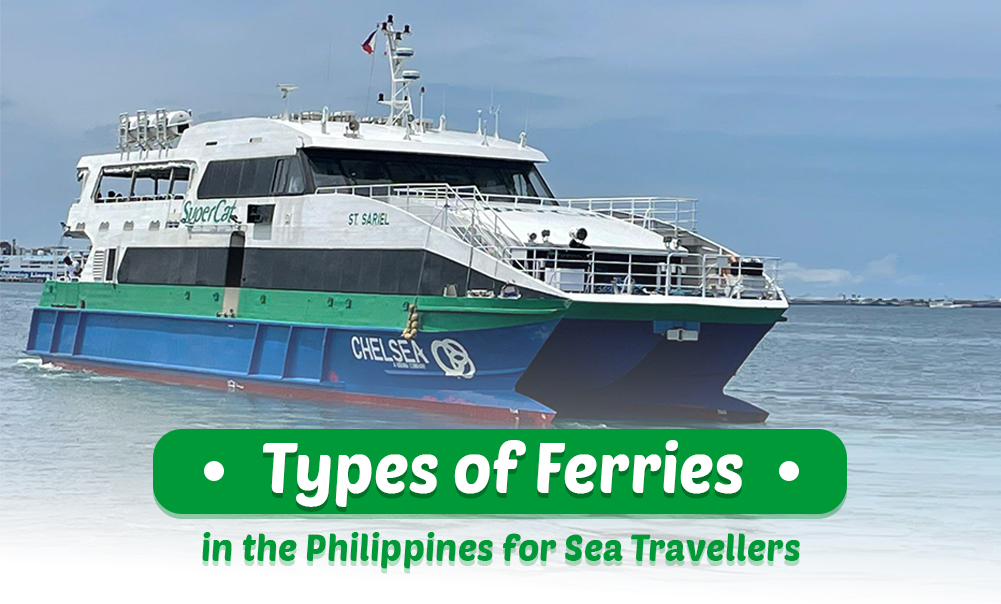
Sea travel in the Philippines is no longer new. In fact, it is an essential form of transport for travel, trade, and tourism. It has evolved through time to meet different needs. Different types of ferries ply our coastlines and they exist to serve essential services between islands. Read through this article to learn more about the different types of ferries in the Philippines. 6 Types of Ferries in the Philippines 1. Ferry Boats Traditional ferry boats are still a regular sight in Philippine waters and are used for passenger and cargo transport. This type of ferry is reliable and comes in various sizes and capacities. They may be in the form of (1) bangka or small outrigger boats intended for short-distance travel, (2) large hulled ferries made of wood or steel that are designed to accommodate passengers and vehicles. 2. Roll-on/Roll-off Ferries Commonly referred to as Ro-Ro, this type of ferry offers versatility and is designed to accommodate not only passengers but also to facilitate the transport of goods, vehicles, and cargo, Ro-Ros have ramps to allow efficient loading and unloading. 3. FastCrafts A fast ferry in the Philippines answers the need for speed, safety, and convenience in sea travel. FastCrafts are high-speed ferries that allow rapid transport between islands. These vessels are equipped with powerful engines to allow faster travel time. They are equipped with advanced navigation technology to support sea travel safety. Unlike the traditional ferries in the Philippines, passengers may opt to travel in economy or business class through fastcrafts. 4. Passenger Ferries This is a type of ferry that is purely for passenger transport and not for cargo or vehicles. They are designed with the passenger in mind and are equipped with amenities essential for comfortable sea travel such as comfortable seating, restrooms, and other amenities. Passenger ferries come in different sizes and configurations. 5. Leisure Ferries Ferries are also used for leisure travel, particularly for island-hopping. This type of ferry is notably smaller and used as a vessel for the exploration of nearby islands and coastal areas. Island-hopping ferries are usually owned and operated by people who offer day tours or travel packages to popular tourist spots in the area. Other types of leisure ferries include those that are used as tourist charters or for the private transportation of guests in island resorts. 6. Double-Ended Ferries Unlike the other types of ferries in the Philippines, this is designed with two propulsion systems found at both ends. They are used to allow the ferry to operate in either direction without the need to maneuver or turn around. This is ideal for places with narrow or congested waterways and is commonly used to cross adjacent islands or ports. ALSO READ: CHELSEA LOGISTICS OFFERS A MORE USER-FRIENDLY AND COST-EFFICIENT ONLINE BOOKING APP, CHELSEA TRAVEL The Philippines as a country surrounded by waters is home to different types of ferries for sea travel. A ferry that suits specific requirements should be used to allow connectivity in coastal areas, transport passengers, vehicles, and cargo, and boost tourism in a certain destination. For more than 20 years, SuperCat Fast Ferry Corporation has maintained its status as one of the most reputable providers of fast, safe, and prime sea ferry service. If you need to travel by sea or ship goods and commodities, book with us. Get your ticket from one of our ticketing outlets near you.