

7 Foolproof Tips for Planning a Rainy Season Vacation

It’s possible to have a memorable rainy season vacation if you do the right planning and preparation. In fact, the wet season intensifies the natural beauty and lush landscape of many Philippine destinations, such as Bohol, where the Chocolate Hills are covered in vibrant green instead of brown. Rainy season travel also has its advantages such as fewer tourists and more tourist spots to yourself. What should you do when planning a vacation in the rainy season? Here are a couple of tips for a flawless travel experience. Perks of Travel in Rainy Season Going on a vacation in the rainy season can give you unexpected advantages. Off-peak prices – Score deals on accommodation and travel packages during the rainy season. Prices are usually lowered during off-peak. Less crowds – Popular destinations are often less frequented during the rainy season., so Yyou can experience the best spots all to yourself. Unexpected beauty – Lush forests, mountains, and hazy skies can create a unique, cozy vibe during the wet season. 7 Useful Tips for Rainy Season Sea Travel 1. Decide which type of destination you want to visit It can be challenging to go out and about when the weather constantly changes. List down what kinds of places and activities you are looking for that can be done despite a rain shower. Here are some suggestions: Nature walk – For beginner and seasoned adventurers, a little bit of rain never hurt their trip! Explore natural attractions on foot, or conquer rough paths with an ATV. Museum tour – Take this opportunity to learn about local culture and heritage through guided museum tours. Tropical staycation – Book a memorable night or two at a cozy accommodation with your loved ones. Food trip – Opt for a culinary tour. Fill your belly with dishes you’ve never tried before and local cuisine that tickles your taste buds. Urban escapade – There are plenty of indoor activities in the city to keep you occupied while it’s pouring. Go to a board game cafe, indoor parks, spas, or shop for one-of-a-kind finds. 2. Book your ferry tickets online It is easier to book your tickets in advance without the hassle of venturing out into the downpour. Travel to destinations such as Batangas, Calapan, Cebu, Ormoc, and Tagbilaran by booking on the Chelsea Travel website. You only need to show your ticket confirmation at the port before your rainy season sea travel. 3. Keep tabs on weather updates Monitor weather forecasts for your rainy season travel spot and the routes you will be taking. Another way is to ask locals who are familiar with your destination about the weather patterns. Rainfall tends to be unique to each destination in the Philippines. Look for tourist spots with few chances of rainstorm. Showers barely disrupt plans compared to storms and typhoons. 4. Look up advisories from shipping lines Ferry and shipping companies usually post advisories on their websites or social media channels in case of cancelled or delayed trips. The rainy season is a delicate time for sea travel, but shipping companies prioritize the safety of passengers. In case your trip is cancelled, wait for further updates about the next trip so you can adjust your plans accordingly. 5. Pack the essentials It is necessary to pack the right gear to enjoy a comfortable rainy season vacation. Make sure to take essentials such as: Jacket or raincoat Umbrella Waterproof bags / bag covers Waterproof attire (shirt, pants, rain shoes) Portable charger / power bank Insect repellent 6. Follow crew instructions Tropical weather can be unpredictable, which can affect travel in rainy season. In case of sudden strong rainfall, wait for the rain to let up before proceeding. Ferry companies usually announce when the safest time to board a ferry is. 7. Have a backup plan Prepare alternative destinations just in case. When the rain is too strong to visit the beach, look for a quiet coffee shop with an interesting menu. Try visiting historical museums and cultural centers if you can’t push through with an island- hopping tour. There are endless possibilities in a new place, no matter the weather. Rainy season travel can be a great opportunity to try out activities you wouldn’t typically consider on sunny days. Just remember to exercise caution during this season to ensure a positive experience. It’s always better to look on the bright side of things despite the drizzly challenges. ALSO READ: 18 Visayas Tourist Destinations to Visit During the Rainy Season Rain or shine, you can count on SuperCat Fast Ferry Corp. to take you across the South Luzon and Visayas regions. Experience convenient and speedy travel with our expert navigators and crew members, who are well-equipped at all times. View our schedule here and zoom with SuperCat today.
All the Top Tagbilaran Tourist Attractions You Need in Your Itinerary

As the only city on the entire island, Tagbilaran City serves as a central point for tourists going in and out of Bohol. Tourism continued to thrive in the island of Bohol, particularly after it was named the first UNESCO Global Geopark in the Philippines. The gateway to the many geological wonders, Tagbilaran City, holds some wonders of its own as well. There are a ton of notable Tagbilaran attractions worthy of your attention. From beginner-friendly hiking trails to heritage homes that take you back in time, you can find all the best Tagbilaran tourist spots in this list. Getting to the Top Tagbilaran Tourist Spots via Ferry Book a Cebu to Tagbilaran trip with SuperCat fast craft ferry. Depart from Pier 1 Cebu and arrive at the Tagbilaran City Port in just 2 hours. SuperCat trips from Cebu to Tagbilaran are available daily. Check out the updated schedule for Tagbilaran here. 16 Exciting Tagbilaran Tourist Attractions You Must Visit Historical Museums and Sites Blood Compact Monument Bohol takes pride in its rich historical heritage. The Blood Compact Monument depicts the scene of the first treaty between the Philippines and Spain made on March 16, 1565 by Miguel Lopez de Legaspi and Rajah Sikatuna on the island. The treaty was validated through sandugo (blood compact). The bronze monument was created by Napoleon Abueva, a Boholano national artist, as a symbol of friendship in the early days of the Spanish era. National Museum – Bohol One of the best Tagbilaran tourist spots is the National Museum in Bohol. It is located in the former provincial capitol building, and was inaugurated in 2018. The building itself is historical, but its transformation into a museum helped further preserve local heritage. There are three gallery exhibitions available: Pagpauli Gallery This exhibit is dedicated to Napoleon Abueva, who created the Blood Compact Monument, and houses his later works. Pagbanhaw Gallery The gallery commemorates the 2013 Bohol earthquake, which devastated a number of heritage buildings in the province. It also features Boholano art, architecture, and craftsmanship. Natural History of Bohol Gallery This gallery houses several models of Bohol’s natural landscape and biodiversity, including local animals, artifacts, and plants. St. Joseph Cathedral Locally known as the Tagbilaran Cathedral, this stunning church was built on one side of Plaza Rizal, across from the National Museum – Bohol. It was established by the Jesuit priests until it was taken over by Augustinian Recollects. Inside, you can find stunning murals on the walls and ceiling, a style reminiscent of the Sistine Chapel in the Vatican. Its architecture and engravings are coupled with the magnificent bell tower, which stands tall as a reminder of the island’s rich past. Plaza Rizal This is the very plaza that divides the National Museum and Tagbilaran Cathedral, connecting two of the most popular Tagbilaran tourist spots. It is considered a lively and safe park by the locals, making it popular for events, strolling, and even pigeon-feeding. You can buy popcorn from a nearby vendor to feed the pigeons if you wish. There are plenty of benches and a gazebo, perfect for a quick rest. Oasis Balili Heritage Lodge Looking for a place to stay that also gives you a glimpse of the past? The Oasis Balili Heritage Lodge is one of the many ancestral homes in Tagbilaran City. It was converted into a hostel and is popular among tourists due to its location near the port. This well-preserved home features a lovely garden with fruit trees, plants, and even a friendly cat. Book a stay in advance so you can visit nearby Tagbilaran tourist attractions. Spots With a Scenic View Caingget Beach If you want to live like a local, visit Caingget Beach, one of the low-key Tagbilaran tourist spots. It is ideal for those who want to indulge in seafood and drinks, such as the bahalia (wine mixed with soft drinks). The beach itself is laid-back but a little rocky. Although it is not ideal for swimming, you can relax and dine while watching ships and smaller boats pass by. Dauis Bridge This bridge connects the city to the island of Panglao, another rising destination next to Tagbilaran tourist attractions. Come here if you are a fan of catching the perfect seaside sunset view in a photograph. Manga Fish Port This once-abandoned fish port is still popular among locals and tourists for its sunset views and boathouse, which you can rent for a couple of hours. Visitors craving seafood can purchase it fresh from the nearby new Tagbilaran City Fish Port. Mangrove Boardwalk This mangrove sanctuary is part of Bohol Sunset Villa, a hotel resort in Taloto district where you can spend the night or celebrate special occasions. This stunning boardwalk takes you through a hypnotizing mangrove corridor that ends in a view of the Bohol sea. The boardwalk is only open to in-house guests, so if you plan to stay here, you can enjoy a scenic nature walk. Mangrove forests and nature reserves are some of the popular Tagbilaran attractions, which is a big help to boost conservation efforts in the province. Engaging Activities and Souvenirs Dalareich Chocolate House Chocolate Hills or a chocolate factory? Why not both? The Dalareich Chocolate House is one of the popular Tagbilaran tourist spots for sweet souvenirs. Opened in 2017 by the Polot family and their daughter, Dalareich, this place is proud of their homegrown cacao products, which you can purchase at their 2nd floor showroom. Find them along Bukid Drive, Booy, Tagbilaran City. Banat-i Hill Hiking enthusiasts will appreciate Banat-i Hill, an easy hike that is both a local favorite and one of the Tagbilaran attractions. This hill is around 146 meters above sea level. Traverse concrete paths and rough roads to reach the top of the hill, experiencing a scenic sea and sunset view. From here, you can see as far as Panglao Island, Baclayon, and the Bohol Sea. Bohol Blades If you are looking for some unique Tagbilaran attractions, this one’s for you.
23 Prohibited Items in Sea Cargo that Every Traveler Must Know
Sea cargo is one of the most flexible ways to ship out goods. Although it is convenient, every shipping line limits its items for sea transport. Government regulations also dictate the prohibited items in sea cargo. Insufficient knowledge of prohibited goods might result in problems with shipment, and even conflict with the law. You can avoid untimely complications by learning about the differences between the types of limited sea shipping goods. Read through this list of sea cargo prohibited items to be a responsible shipper. Prohibited vs Regulated vs Restricted Sea Cargo Items You might be confused whether an item is prohibited, regulated, or restricted for sea cargo shipping. These terms are defined by the Philippine Bureau of Customs (BOC) under the Customs Modernization Tariff Act of 2015 or RA 10863. Regulated Items These goods are subject to regulatory laws set by relevant government bodies, such as the Food and Drug Administration, Bureau of Plant Industry, Bureau of Animal Industry, and more. It is necessary to secure specific permits and clearances from these agencies before your item can be shipped. Examples include plant, animal, and marine products, drugs or chemicals, used motor vehicles and electrical components, tobacco, and certain minerals. Restricted Items These are items that may only be shipped when a regulating agency or law explicitly authorizes an individual or business to do so. These are restricted for security reasons, as well as environmental and health safety. Examples of restricted items for sea shipping are explosives and ammunition, lottery tickets, gambling-related machines and objects, and the like. Prohibited Items Otherwise known as contrabands, these items are considered unlawful for shipping. These are banned in any import or export activity, local or international shipments. No shipping clearances or permits allow the movement of prohibited goods in accordance with national law. See the full CMTA terms as published by the Bureau of Customs here. Your Guide to 23 Prohibited Items for Shipping via Sea This list is further divided into six categories of forbidden items: Miscellaneous, Firearms, Dangerous Drugs and Substances, High-Value Items, Dangerous Goods, and Plants and Animals. Miscellaneous Prohibited Items Materials containing subversive acts against the government Any written or printed goods that suggest, whether directly or indirectly, acts of rebellion, treason, or insurrection against the Philippine government are considered prohibited items for shipping. These are considered threats to national safety and security. Pornographic materials Media in written or printed form, as well as film, paintings, photos, and other types of objects that show graphic immoral acts and ideas are major prohibited items for shipping. Mislabeled consumable goods This kind of prohibited item violates food and drug regulations, making it unfit for human consumption. These may also contain harmful ingredients and materials. Pirated goods Pirated material is considered prohibited items in sea cargo due to violation of the Intellectual Property Code. Gambling items Most sea cargo lines do not accept gambling items such as cards, pinball machines, slot machines, and computerized games. In special cases, relevant government agencies only permit specific businesses or individuals to transport these items. Prohibited Firearms Realistic replicas or imitation firearms Although they are replicas, imitation firearms are prohibited items in sea cargo because it can be used in a threatening approach, inciting fear in persons in presence of the item. Disguised or improvised firearms These types of firearms are prohibited as they can be used in crime and terror situations. Homemade and modified firearms are not regulated or registered with the relevant government agencies. Stunning devices Objects such as pepper or mace sprays, tear gas, and the like are considered as weapons and therefore are forbidden by government offices concerned with sea transport. Dangerous Drugs and Substances Illegal drugs For many sensible reasons, illegal drugs are strictly prohibited items in sea cargo. Drug trafficking is a serious offense that can lead to numerous legal complications. Drugs and paraphernalia used for abortion As abortion is illegal in the Philippines, the government prohibits the shipment of materials, drugs, tools, and other items related to abortion. Any material that may directly or indirectly instruct an individual regarding abortion is strictly not allowed. High-Value Items Cash and items equivalent to monetary value Cash, cheques, SIM cards, prepaid cards, and similar objects are prohibited items for shipping. Transporting these items is forbidden to prevent instances of money laundering and other criminal activity. Improperly declared metals Jewelries and other items that are manufactured with gold, silver, and other precious metals or metal alloys must be properly declared and labeled. Inaccurate and untruthful declarations of its fineness and quality are subject to relevant laws. Products made from animal skins Raw animal hide is perishable and susceptible to the accumulation of bacteria and decomposition. For safety reasons, products made from improperly preserved animal skin, or that of endangered animals, are forbidden on sea cargo. Dangerous Goods Explosives Objects such as ammunition, firecrackers, and dynamite are prohibited items in sea cargo as they can generate small-scale to large explosions that endanger individuals. Gases Compressed gases, aerosols, and butane are examples of gases forbidden from shipping. Flammable liquids Shipping lines do not accept flammable liquids like kerosene, gasoline, lighters, or acetone for cargo shipping. These can cause fires and damage. Flammable solids Firecrackers, matches, and items that contain fuel are not allowed to be shipped due to threat to safety and its risk of fire. Oxidizing substances Chemicals like hydrogen peroxide, bromine, and ammonium are prohibited items for shipping. They can be found in household items used in bleaching and fertilizing. Toxic and infectious substances Substances like mercury, lead, and arsenic are harmful to the body. Exposure can cause health risks such as cancer, problems to circulatory, digestive, and nervous systems among others. Infectious substances carry the risk of spreading diseases. Radioactive material Items containing high levels of radiation can significantly affect individuals that are exposed to it. Certain radioactive laboratory materials are not accepted for cargo shipment. Corrosive substances This type of dangerous material includes acid fluid, batteries, paint and varnish thinner,
10 Must-See Batangas City Tourist Spots Near the Port

The second largest seaport in the Philippines, Batangas International Port, is a vital economic doorway for South Luzon. It is also the destination port for many passenger ferries heading north. Built on the city’s transport hub, Batangas City tourist attractions, old and new, continue to flourish throughout the years. On your next trip to Luzon, take some time to stroll or drive around this port city. Here is a quick guide to the popular Batangas City tourist spots. Getting to Batangas City and Batangas Port The most efficient mode of transportation to Batangas City is via bus if you are coming from Luzon, and via passenger ferry for those arriving from nearby islands in MIMAROPA, Visayas, and Mindanao. From Manila Purchase a ticket and take a bus from Cubao, Buendia, or the Parañaque Integrated Terminal Exchange (PITX) bound for Batangas Pier or the Port of Batangas. The last stop is usually the pier. From Calapan Book online and take a SuperCat fast craft passenger ferry from the Calapan Port Passenger Terminal. You will arrive at the Batangas Pier or Port of Batangas in approximately 1 hour and 30 minutes. 10 Interesting Batangas City Tourist Spots to Include in Your Itinerary Mother of All Asia – Tower of Peace / Montemaria Shrine This 77.60-meter tall statue of the Virgin Mary sits atop a 20-meter high building, beckoning devotees. The Mother of All Asia – Tower of Peace is one of the publicly accessible sites in the Montemaria International Pilgrimage and Conference Center. The statue doubles as a building consisting of several Marian chapels and prayer rooms, overlooking the vast grounds. The rest of the 130 hectare site is still being developed and will soon feature futuristic viewing decks, Christian monuments, a glass walk, trails, and a hotel. The entire complex is one of the most anticipated Batangas City tourist attractions. Location: Montemaria International Pilgrimage and Conference Center, Batangas-Tabangao-Lobo Road, Brgy. Pagkilatan, Batangas City Kay Butas Rock Formation Another one of the coastal Batangas City tourist spots is the perfect swimming and diving spot called Kay Butas Rock Formation. It is a peaceful beach nestled among large boulders and rocks. For 100 pesos, you can spend the entire afternoon lounging in the water and taking photos among the large rocks. Location: Batangas-Tabangao-Lobo Road, Brgy. Pagkilatan, Batangas City Singsing na Bato Singsing na Bato is a giant rock formation that looks like a ring, hence the name, which translates to ‘stone ring’ in English. You can access the area through a few beachfront properties. After a creative photo op with your family and friends, you can cool off at the beach. Location: Batangas-Tabangao-Lobo Road, Brgy. Talahib Pandayan, Batangas City Mt. View Park Visit this off-the-beaten-path viewing deck in Talahib-Payapa, Batangas City. This tourist spot is a simple but charming highway stop overlooking the city and hills of Batangas. There is a small hut, benches, and a photo spot for visitors. Because it is located far from the city proper, it’s easier to reach Mt. View Park if you have a motorcycle or car. Location: Brgy. Talahib Payapa, Batangas City Minor Basilica and Parish of the Immaculate Conception Established in 1614, this historical church was built with a neoclassical design. It was first built as a parish in 1581 and underwent developments until it achieved its current structure. The basilica’s high ceiling, tall columns, and warm ambiance make it a valued pilgrimage site and place of worship. Its paintings were restored to their former glory by a Batangueño artist, making it the pride of the city. Location: M.H.Del Pilar, Poblacion, Batangas City Plaza Mabini Thanks to its numerous redesigns and renovations, Plaza Mabini remains one of the popular Batangas City tourist attractions to this day. It features two water fountains, a gazebo, and public restrooms. The lively, spacious park is a destination for locals and tourists visiting the Immaculate Conception Parish and other key tourist spots. Residents can be seen jogging in the morning, students relaxing in the afternoon, and vendors selling street food and refreshments at night. Location: M.H.Del Pilar, Poblacion, Batangas City Acosta-Pastor Ancestral House Heritage homes are popular Batangas City tourist attractions for history buffs. The Acosta-Pastor Ancestral House is a well-preserved residence located in the city proper. It was built in 1884 and formerly owned by Don Alejo Acosta, barrio captain of Batangas during that time. Today, it is maintained by the Acosta-Pastor descendants and is used as an event venue. The owners also accommodate tours, photo shoots, and private viewings. Location: 31, C. Tirona St., Batangas City Borbon-Rosales Ancestral House Continue your heritage walk with the Borbon-Rosales ancestral house along M.H. Del Pilar Street. It was built in the 1870s and was the former home of former Manila archbishop Gaudencio Borbon Rosales. The house is still lived in and being maintained by the descendants of the family. They even have their own little pasalubong center at the ground floor. If you wish to view the residence, ask the owners politely if they can accommodate you for a short tour. Location: P. Panganiban St., Batangas City Batangas Provincial Capitol Building The stunning neoclassical design of the Provincial Capitol Building attracts many visitors in the area. It is home to the Batangas provincial government. Its white marble walls and tall columns make it one of the main Batangas City tourist spots and is also a national historical landmark. Location: Provincial Capitol Bldg., P. Herrera St., Batangas City Batangas City Mangrove Conservation Ecopark This eco-friendly Batangas City tourist spot is part of the city government’s efforts to preserve the local mangrove ecosystem. The conservation project was opened in 2022 to cater to local tourism and promote conservation activities. There are trails and boardwalks for visitors to walk through and enjoy the scenic mangrove trees surrounding them. Location: Brgy. Malitam, Batangas City The Batangas Port is one of the major maritime gateways to South Luzon, and amidst its booming commercial development
12 Tips for Traveling to Cebu on a Budget

You can most definitely enjoy Cebu while sticking to a budget! The province’s vibrant city life and vast natural landscape offer loads of activities all year round. Choose from historical museums, cultural sites, food parks, and white-sand beaches. The best part about this is it doesn’t have to be expensive. Jumpstart your itinerary planning with these Cebu travel tips below. Read this article to find out about budget-friendly things to do or places to go when traveling to the Queen City of the South! 12 Cebu Travel Tips that Don’t Break the Bank Book your trips early. Your safest option is about 3 to 6 months prior to your trip. Flight tickets, especially, can get expensive the closer your trip is. Plan in advance and assess your options, the best route, and available carriers. Choose to travel via ferry if coming from nearby provinces. Several shipping lines traverse the Visayan seas to take travelers to their destination every day. Nearby provinces like Bohol, Iloilo, Dumaguete, Negros, and Leyte are close enough to Cebu that they sometimes don’t operate flights between! Planes pale in comparison to sea travel when it comes to scenic views and flexibility. Traveling to Cebu via ferry is also one of the cheapest options around. You can choose to travel with your vehicle or through a RoRo bus on a RoPax vessel, or go for a regular passenger vessel. SuperCat can take you to Cebu City on one of its fastcrafts. See the schedules and book from anywhere in Batangas, Mindoro, and other Visayan provinces. Take public transportation to get around. Public transportation is the best, most affordable way to get around. Traveling to Cebu, especially Metro Cebu, can get troublesome due to the traffic. If your itinerary for the day is located within the city, you can take a jeepney or bus to get around. Buses are also popular options for traveling to the North or South of Cebu, where nature lovers can access activities like diving, snorkeling, hiking island hopping, and exploring waterfalls or beaches. Hire motorcycles through ride-hailing apps. Local ride-hailing apps such as Grab, JoyRide, and Move It also operate in Cebu City. Their rates go from affordable to mid-range, but can climb higher during rush hours. Still, it is a popular choice for individual commuters who want to navigate the metro traffic faster. You might encounter habal-habal or for-hire motorcycles around the city and hard-to-reach tourist spots, but it’s best to deal with them cautiously. Unlike drivers registered with ride-hailing apps, habal is unregulated. If you choose to take the risk, especially in the outskirts of the city, some drivers might charge unreasonably high prices, but you can haggle. Check out budget hotels. A variety of hotels, Airbnbs, and hostels offer aesthetics and comfort at very affordable prices when you are traveling to Cebu. Look past the luxury hotels and resorts, and find comfort in budget hotels located in the city center. Budget-friendly hotel groups such as OYO and RedDoorz expanded their network in recent years. They can be found in various parts of Cebu province and can range from as low as 500 to 1,200 pesos per night. Socialize and bond in dorms or hostels. Backpackers and tourists traveling in a large group can opt for dorms or hostels. Besides being cheaper, hosts typically offer more flexible options for rooms and beds. Bunk beds can be rented per person or per room, depending on the hostel. Another perk is that you can meet other travelers and hang out in common areas. Hostels offer quirky amenities like board and video games, billiard tables, darts, and other activities. A major plus with hostels is that hosts are locals within the area. They’re the best people to approach if you need additional Cebu travel tips and tricks you normally won’t find on mainstream platforms. Examples of hostels are HappyNest Hostel, with beds that cost anywhere from 450 to 600 pesos per person, and private rooms ranging from 1,288 to 2,188 pesos for 2-3 persons. The newly opened Balai Balai Capsule Hotel imitates the looks of a traditional Filipino home for a unique Cebu travel experience. Rates start at 599 per head for a bunk bed. Visit food parks for street eats and budget meals. High-end restaurants are out of the question for a budget traveler, but you can fill your tummy with street eats from local food markets! Night or food markets are your go-to destinations for affordable food options, like skewers, lechon sisig, wings, seafood, fruits, and veggies in the heart of the city. Check out these food parks to satisfy your cravings.: Colon Night Market Carbon Night Market Sugbo Sentro Sugbo Mercado Mactan Nite Market Take a walk in Cebu’s parks. Have a bit of downtime in the middle of your Cebu travel itinerary? Wind down at a nearby park! Cebu IT Park boasts its modern architecture, food hubs, and shopping areas with walkability and green spaces. The Senior Citizens’ Park and Sky Park are some of the newer parks you can visit. Appreciate local history and culture. A must-do when traveling to Cebu is to appreciate the local culture. The province is rich in history from the pre-colonial and Spanish colonial periods. Visit the Basilica del Santo Niño, Magellan’s Cross, and Fort San Pedro, all of which are free or affordable to visit. Another free option is to walk one of oldest streets in the Philippines, Colon Street in Cebu City, and visit the obelisk where its historical marker is found. Other affordable museums within the city are: Yap-San Diego Ancestral House 1730 Jesuit House National Museum of the Philippines – Cebu Bask in the sun at Cebu’s many beaches. One of the best Cebu travel tips is to explore outside the city. It takes only one bus ride to some of Cebu’s finest beaches. Dip your toes in the white sand in private or public beaches, the latter of which typically has a small fee or none
13 Tourist-Friendly Tips for Island Hopping in Cebu
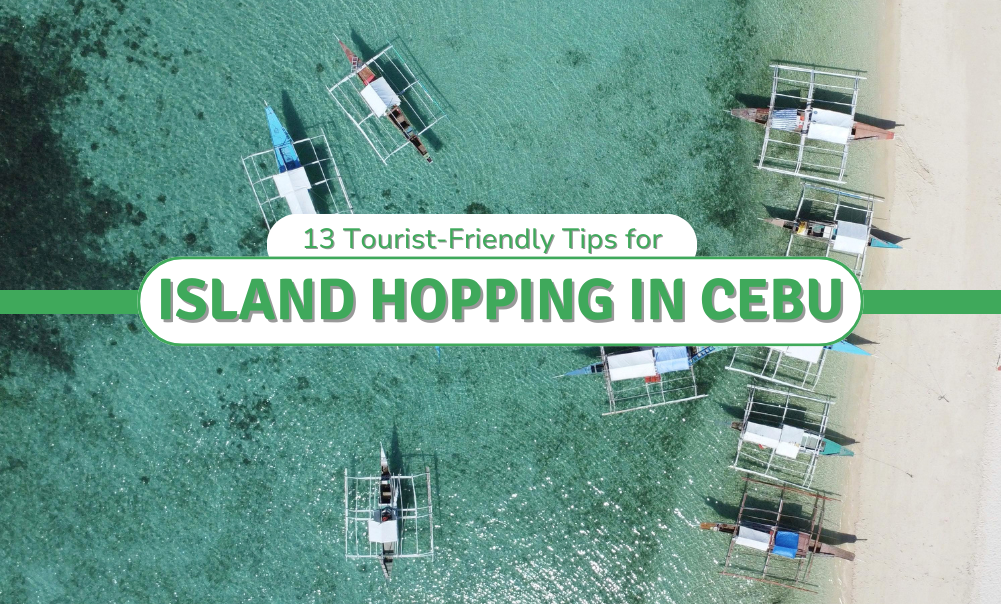
Check off island hopping from your bucket list on your next trip! Mactan, Moalboal, and Daanbantayan are three popular spots for island hopping in Cebu. Each of these areas has beautiful, smaller islands that are waiting to be explored. Every island is characterized by its own features, like rich marine biodiversity, diving spots, cave exploring, snorkeling, and many more. From the planning stage to the trip itself, what are the things you should know? Here are some tourist-friendly tips to keep in mind when going on a Cebu hopping tour. 13 Useful Tips for a Hassle-Free Island Hopping in Cebu Plan your trip during the dry season. It’s always best to visit top Cebu island hopping destinations during the dry season, which is around December to May. The volume of visitors increases during the weekends and holidays, so try to pack some visits during the weekdays instead. Start your activities early in the morning, when beaches and tourist spots are less crowded, and you can get a better, more intimate experience while exploring. SuperCat has ferry schedules going to Cebu from Batangas and nearby Visayan provinces every day. Book with us for a worry-free trip to The Queen City of the South before your island hopping begins. Know your ports and jump-off points. Each island and tour operator will have different jump-off points, or points of origin. For example, if you are visiting Carnaza Island, you must board the pump boat at Tapilon Port. For Bantayan Island, your starting point is at Hagnaya Port. D.I.Y travelers should research the correct port to avoid confusion and save time. Coordinate with your tour operator if you availed a tour package inclusive of island hopping Cebu. Set aside an emergency budget. This is a must for every traveler. Although the province has upgraded its methods to accept digital payment, islands on a Cebu hopping tour still heavily rely on cash payment. Have some loose change and paper bills handy before your trip. Foreigners may be charged higher fees than locals, especially for environmental fees. Research reliable tour operators. There are many local businesses offering day tour packages, but you must research these operators to check if they’re authorized or legitimate. Island hopping Cebu can get tricky and potential problems may arise along the way. Choose a trusted operator to ensure that your trip will be hassle-free. Here are some of the trusted operators for island hopping Cebu: Ramirez Island Hopping and Tours (Lapu-Lapu City, Cebu) Blue Wave Island Adventures (Lapu-Lapu City, Cebu) Carnaza Island Tour and Accommodation (Carnaza Island, Daanbantayan, Cebu) Cebu Tours (Lapu-Lapu City, Cebu) Inquire about your package inclusions. Tours can be D.I.Y. or provided by an operator. If you’re planning to book a packaged Cebu island hopping tour from an operator, ask them whether the following items and fees are included: Entrance fees: Some islands, attractions and tourist spots require visitors to pay an entrance fee. Environmental fees: This is required as certain islands in Cebu are home to marine and wildlife sanctuaries. Environmental fees are also used to maintain the cleanliness and beauty of the island. Meals: There may not be food stalls or restaurants on some islands, so it’s advisable to bring your own snacks or meals. If your tour guide provides meals, inform them ahead if you have any allergies or dietary restrictions. Activity gears: For island tours that have activities like snorkeling or diving, ask if the necessary equipment is included for free or for rental. Otherwise, you might have to bring your own. Safety gears: Island excursions like cave visits may require special safety equipment besides those used during the boat ride. Bring extra batteries or a powerbank. There is limited electricity on some islands and you won’t know until your guide tells you or until you get there. For example, Carnaza Island’s electricity only runs from 6 AM to 9 PM daily. Make sure your power bank is fully charged at the beginning of your tour. Protect yourself from the sun. Joining a Cebu island hopping tour means basking in the heat of the sun. Bring protective gear such as a hat and sunglasses. A mini battery-operated fan or classic hand fan will help beat the hot weather. Lather on some sunscreen too, regardless if you have sensitive skin or not – prevention goes a long way! Bring your own food and drinks. As mentioned above, some islands may not have food and drink stations readily available. Bringing your own snacks is the best option for those with dietary restrictions as well. Bring your own trash bag for proper waste disposal. Island hopping in Cebu is an experience that will connect you with a lot of nature and marine wildlife. Be a responsible tourist and have your own bag to collect your trash until you return to the main island. Pocketing candy wrappers or tissues might be a small, easily dismissible thing, but it is an action that will keep Cebu’s islands clean and beautiful. Engage with the friendly locals. It pays to be kind, especially the people who are making your trip possible! Cebuanos are accommodating and approachable. Ask them for the best spots and tips for making the most out of your stay! They know the place best after all. Who knows, you might make a few unforgettable memories with them, too. Expect mobile and data signals to be limited. Aside from potential electricity problems, mobile and data signals may be limited during island hopping in Cebu. In case of emergency situations, coordinate a meeting place for your companions and listen to your tour guide for safety pointers. Inquire if your destinations are open to the public. Islands might have private properties, especially if there are residential communities. Be mindful of where you trek to avoid potential trespassing. Bring medication and remedies for seasickness. Seasickness is one of the things that could possibly ruin your trip. Bring your own medication and take preventive medicine before your trip. The trip can get
Everything You Need to Know About Cambugahay Falls in Siquijor

Top off your Siquijor travel itinerary with Cambugahay Falls – the trending waterfalls everybody’s talking about! Dip your toes in ‘gatorade-blue’ water, swing like Tarzan, and feel the drumming of water on your back like a natural massage. Experience its enchanting beauty up close and personal with the variety of activities you can do at this Siquijor tourist spot. For your convenience, this article compiles a complete guide to Cambugahay Falls – getting there, must-try activities, delicious food, and everything else. The Traveler’s Guide to Cambugahay Falls, Siquijor All About Cambugahay Falls Siquijor is typically associated with magic and wonder due to its background of folk healing practices. This waterfall carries that mystical charm in its beautiful waters. Cambugahay Falls is located in Lazi, a laid-back town in the island of Siquijor. It is a tiered waterfall, recognized for its natural beauty. Though its is not a tall and powerful waterfall, Cambugahay Falls’ true beauty lies within its dazzling clear, blueish pools. All tiers have falls ranging from 3-6 meters tall, and offer diverse activities at each level. The lowest tier is the largest and liveliest part of Cambugahay Falls. Visitors can swim, take a bamboo raft, a rope swing, and more. The higher you go, the quieter it gets. Travelers seeking a serene spot may prefer the less crowded upper tiers. Best time to visit Generally, the dry season from December to April is the best time to travel to Siquijor. Arrive at the falls between 8:00 am to 9:00 am to experience Cambugahay Falls activities all to yourself. As much as possible, schedule your visit on a weekday. The falls tend to get very busy on weekends or public holidays, resulting in long lines for admission and activities. Traveling to Cambugahay Falls Cambugahay Falls Location The falls are located along the stretch of Luyang-Poo-Lazi Road on Siquijor. The island can be reached via ferry, whereas tricycles and scooters can be rented near the port to drive to Cambugahay Falls. Driving to Cambugahay Falls By motorcycle (approx. 30-40 minute drive): Rent a scooter or motorcycle for around 200-400 pesos per day. Most rentals are open to haggling. Follow the route from Siquijor Circumferential Road, then turn left to take the Luyang-Poo-Lazi Road. Once you reach Tigbawan, you’re close to the falls. Locate the falls on the left side of the road, where a small tourist office is located. Parking is available on the opposite side for a small fare. By tricycle (approx. 30-40 minute drive): Take a tricycle for around 250-250 pesos one way. You can rent a tricycle for a whole day tour (up to 1,500 pesos). By car (approx. 30 minute drive): If you are traveling with a group, you can take a van for around 1,500-2,500 pesos per day. Admission and Fees Whip out your calculator to compute your budget.Take note of the existing fees for a hassle-free experience at Cambugahay Falls. Operating Hours: 8:00 AM – 5:00 PM Fees (as of April 2025) Cambugahay Falls Entrance Fee: 50 pesos Parking: 20 pesos Bamboo Raft: 100 pesos per ride Tarzan Swing: 20 pesos per ride – unlimited swings Pay Toilets and Changing Rooms: 5 to 20 pesos Tour Guide: Donations accepted Rental Fees for Equipment (as of April 2025) Life Vests: 100 pesos Tables and cottages: For rent or donation basis, depending on the tier Fun Cambugahay Falls Activities Once you arrive at the falls, you must walk down a steep 135-step staircase to reach the lowest level. As mentioned earlier, things to do at Cambugahay Falls differ per tier. Here are the activities you can experience, starting from the lowest or bottom level. Swimming The lowest tier has the largest pool among other levels. It is also the busiest and most exciting. Cambugahay Falls activities will not be complete without a good swim. Dip into the gleaming water, fondly called a ‘gatorade-blue’ color and swim under the canopy of lush greenery and cascading water. Tarzan Rope Swing For a small fee of 20 pesos, you can swing all you can on their rope swing. Sturdy ropes were installed by the locals to create a unique experience for tourists. Pretend you are Tarzan and swing from a small cliff to dive into the waters below. The drop is somewhere between 5 and 8 meters. The Cambugahay Falls tour guides are also excellent photographers who can take your photos for the swing experience, as well as help you get ready for a safe swing. Balsa / Bamboo Raft Experience rowing a balsa or bamboo raft for 100 pesos. Get a relaxing splash massage with your back to the falls while standing or sitting on the raft. In case the area gets too crowded, another bamboo raft is available at the third level of Cambugahay Falls. Cliff Diving Free cliff diving is also another must-try activity if you are not too fond of the rope swing. Although the drop is not as high as other cliff diving spots in Siquijor, the pool of water is cooler and even more refreshing due to its fascinating lagoon-like appearance. ‘Fairy Walk’ Swing The middle level is calmer than the lower tier, but it still packs the same thrill with another swing, dubbed the ‘fairy walk’, made popular by Filipina celebrity Anne Curtis on her trip. Hold on to the rope and ‘walk’ above the water like a fairy or diwata. Picnics Tables can be rented on a donation basis if you want to picnic by Cambugahay Falls. A small shop and vendors at the entrance of the falls sell food, drinks, and ice cream. You can find cottages and tables on every level for convenience. Remember to clean as you go to preserve the beauty of the waterfalls. Lower Swings The third and highest level of Cambugahay Falls has another rope swing, which is lower and shorter than the one at the lowest pool. If you are hesitant to make the huge drop at the
Essential Tips for Planning Your Cebu to Ormoc Trip
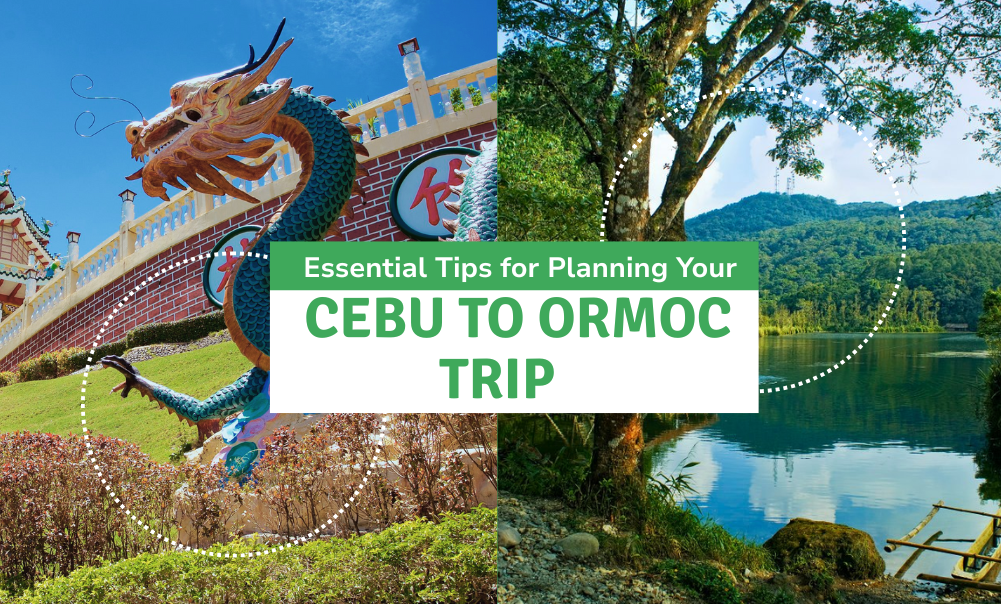
Planning a hassle-free trip from Cebu to Ormoc and vice versa can get tricky. If you are new to the two Visayan cities, you must familiarize yourself with your destination, on top of detailed preparation for your itinerary, budget, tickets, and hotel. Make your trip a memorable one by reading this helpful guide on how to make your Cebu to Ormoc trip easier. The Tourist’s Guide to Planning a Cebu to Ormoc Trip Take a ferry from Cebu to Ormoc Traveling by sea has never been more efficient. Modern fastcraft vessels boast an average speed of 24 knots, updated computerized navigational equipment. Ferry trips are cheaper than other forms of short to long-distance travel. It is also a popular choice for passengers and cargo plying the Cebu to Ormoc and Ormoc to Cebu route. It is a key link between inter-island travel, connecting major economic hubs in the Philippines. Ferry trips are designed for both passenger and general cargo, making it a reliable partner for any kind of travel. Traveling by ferry is also a huge visual treat. Look out the window for a view of the sparkling sea, clear sky, large clouds, and looming mountains in the distance. Though the journey can take a few hours depending on your destination, the scenic view will keep you company throughout the journey. Book ferry tickets in advance Whether you choose to travel during peak or off-peak season, it is possible to book tickets in advance for a worry-free trip. Advance booking lets you skip the long lines at ports or terminals. There are a variety of ways to book a trip. Search for a ticket outlet or opt for booking online via a website portal, social media, or phone call. Consider booking for your return journey back from Ormoc to Cebu as well. Choose comfortable seats or cabins For seasoned travelers, a 3-hour trip from Cebu to Ormoc and vice versa may not seem much. Other passengers can’t help but get antsy from sitting for too long, or even sea sickness. It is important to choose the right seats and cabins for maximum comfort. Start off and end your trip with a relaxing ride. Stay updated on promos and discounts Most shipping companies offer a fixed rate for regular daily trips from Cebu to Ormoc, however, discounts and promos are typically offered during holidays and peak season. Frequent travelers can enjoy loyalty discounts obtained from continuously booking from the same shipping line. Other types of discounts can include first-time bookers, birthday month promotions, and contests on social media pages. If you want to save up on booking costs, this tip is your best bet. Familiarize yourself with the routes Travel anxiety can take away the joy from your trip. One way to eliminate it is to look up the route you will be taking in Cebu or Ormoc and a few alternatives. Being familiar with the place names in a new destination can help you figure out where you are. This way, you won’t have to worry in case you get lost while exploring. It also helps prevent confusion when communicating with the locals on public transport and attractions. Research interesting places to go Make the most out of your Cebu to Ormoc trip by researching tourist attractions and off-the-beaten-path destinations. Each city has its own unique features to explore. Cebu Cebu is known for its rich cultural, historical, and religious heritage. Magellan’s Cross, the Basilica of Sto. Niño, and the Mactan Shrine are some of the top Cebu attractions. You can also visit museums such as Casa Gorordo or the University of San Carlos Museum. Explore natural attractions outside the city, such as Kawasan Falls, Osmeña Peak, and a ton of gorgeous beaches. Ormoc In the Leyte province, Ormoc is also rife with historical significance and natural wonder. History lovers will admire places such as the Puente de la Reina or the Ruins of Cong. Dominador Tan Residence. Nature lovers can find solace in Alto Peak and Lake Danao National Park. Island Hopping Explore islands surrounding Cebu and Ormoc on an island hopping tour. Explore the Cuatros Islas in Leyte, or Bantayan, Pescador, and the Camotes Islands in Cebu to discover each island’s charm and beauty. Avail of island tours from accredited agencies to ensure a safe and enjoyable experience. Book your accommodation early During peak season, travelers come in droves. It can be difficult to secure a good hotel on the day of your arrival. Research about the closest accommodation options weeks or months prior to your trip. It is possible to avail of cheaper room rates by booking in advance or reaching out directly to the property. Manage your travel budget well Avoid overspending by setting aside a realistic budget for each aspect of your travel. Plan a budget for things such as accommodation, transportation, food and drink, sightseeing, attractions, shopping, and emergencies. Consider budget-friendly options for activities, hotels, and destinations. Public transportation, like tricycles and jeeps, are an efficient and affordable choice to get around places such as Cebu or Ormoc. Here’s a bonus tip: if you have some leftovers from your budget, treat yourself a little extra before heading home or place them in a travel fund for your next destination. Pack the essentials Make a checklist of things to pack before the trip to avoid overpacking or underpacking. Take with you the following necessities for an inter-island ferry trip: Ticket or e-ticket Mobile phone Camera Sunblock Water Snacks Medication and seasickness remedies Vacation essentials (clothing, durable bag, shoes, other valuables) Take extra travel precaution Before your trip, monitor weather conditions for safe travel. Ferry lines typically announce any schedule or trip changes on their website or social media. Stay informed by checking any travel advisories they may release. Familiarize yourself with your destination, as well as how to get around the port. On board, pay attention to the safety briefing and take note of crew announcements or instructions. Travel from Cebu to Ormoc
The Best Diving Spots in the Philippines

The Philippines is a nature’s paradise. The country, an archipelago with over 7,000 islands, boasts stunning beaches, diverse ecosystems, and rich biodiversity–a haven for nature lovers and adventure seekers. If you want to explore marine resources, you can find the best diving spots in the Philippines. Whether you’re an experienced diver or a beginner, it is a destination that should be on your bucket list. Here are some of the best diving spots in the Philippines with crystal-clear waters, rich marine biodiversity, and vibrant coral reefs. The Top 10 Diving Spots in the Philippines 1. Anilao Batangas If you are looking for the top diving spots in the Philippines, don’t miss out on Anilao. This site is known as the birthplace of scuba diving in the country. Located in Batangas, it is perfect for a weekend diving trip if you are from Metro Manila, Laguna, or Cavite. One of its most famous activities is macro diving. In Anilao, you will see rare nudibranchs, pygmy seahorses, and flamboyant cuttlefish. It is also home to unique marine species that underwater photographers will find interesting. 2. Tubbataha Reefs Natural Park Palawan, Sulu Sea A UNESCO World Heritage Site, Tubbataha Reefs is one of the most unspoiled marine ecosystems in the world. It is home to an incredible variety of marine life, including sharks, manta rays, and over 600 fish species. While it is a year-round destination, the best time to explore Tubbataha Reefs is between March and June. 3. Coron Palawan Palawan is truly blessed with natural marine resources. Another top diving site is in the province. Coron is known for its well-preserved World War II shipwrecks–wrecks that are now encrusted with corals and provide a unique diving experience. Here, divers can explore sunken Japanese warships. Coron diving spots may have an eerie appeal but it has beautiful underwater landscapes which make it a favorite among wreck diving enthusiasts. 4. Apo Reef Occidental Mindoro Apo Reef holds the title as the 2nd largest contiguous coral reef in the world which makes it one of the best diving spots in the Philippines. Divers will be in awe of its spectacular drop-offs, coral gardens, and diverse marine species. It is also a sanctuary for barracudas, turtles, and reef sharks. Aside from the diving experience, its clear waters make it an ideal spot for underwater photography enthusiasts. 5. Puerto Galera Mindoro Not too far from the Apo Reef, Puerto Galera is another popular diving spot in the Philippines with over 40 dive sites. This diving spot in Mindoro has shallow coral gardens and deep wrecks. Like Apo Reef and Anila, Puerto Galera is accessible from Manila. Your encounter with vibrant marine biodiversity is just a ferry ride away from the Batangas City port. It is one of the top choices for both local and international divers. 6. Malapascua Island Cebu The South also doesn’t run out of the best diving spots in the Philippines. Malapascua Island is a haven for thresher sharks, You can swim with these elusive sharks as they are seen almost every day at Monad Shoal which is a submerged plateau. But Malapascua Island is not just about thresher sharks, it is also a great site for wreck diving and vibrant coral reefs. 7. Moalboal Cebu Another top diving spot in the Philippines is also found in Cebu. Moalboal is known for its mesmerizing sardine run, where millions of sardines move in synchronized patterns, creating a breathtaking underwater spectacle. It is also home to diverse marine life, coral walls, and whale shark sightings occasionally. 8. Balicasag Island Bohol The Visayas region is home to many top diving spots in the Philippines. Not far from Cebu is Balicasag Island. This diving site in Bohol is a marine sanctuary known for its clear waters and stunning coral gardens, Here, divers can have encounters with sea turtles, jacks, and barracudas. It is an excellent spot for beginners and advanced divers in search of vibrant marine biodiversity. 9. Dauin Negros Oriental Is muck diving your interest? Check out Dauin in Negros Oriental. It is known as the premier muck diving destination in the Philippines. It features black volcanic sand that serves as home to some of the strangest and most fascinating marine creatures such as frogfish, blue-ringed octopuses, and mimic octopuses. Heard of critter hunting? It is also an activity in Dauin that divers should not miss. 10. Camiguin Island Northern Mindanao Mindanao also has its premiere diving spot. Known as the “Island Born of Fire,” it features volcanic landscapes and stunning dive sites. Prepare for a unique adventure and sightings with its coral-covered walls, underwater lava formations, and healthy reefs. Underwater photographers should not miss this diving spot. ALSO READ: Must-Visit Cavite, Laguna, and Batangas Historical Sites for Travelers Make your dive site exploration easy and successful. Supercat offers fast and convenient ferret services that will take you to some of the world-class dive sites in the Philippines. Whether you’re traveling from Cebu to Bohol or exploring the islands of Palawan and Mindoro, you can reach your next diving destination through ferry travel. Book your tickets today and experience the best of the Philippines’ underwater wonders! Plan Your Dive Adventure with SuperCat.ph
MCIA, Mactan Wharf, Supercat ink MoA on seamless travel via CEBU

MCIA, Mactan Wharf, Supercat ink MoA on seamless travel via CEBU ‘After launching Cebu Connect, our air-to-air connectivity product in June, we now have Cebu+, the air-to-sea connectivity to the islands around Cebu. This is the second pillar of our strategy to be the main and premier gateway for tourism in the Philippines.’ The MoA signing was led by Aldwin Uy — deputy chief operations officer of Aboitiz InfraCapital Cebu Airport Corporation (middle), Eugene Erik Lapasaran Lim — president of Mactan Wharf (left) and Shane Antony Arante — general manager of Supercat (right) all of whom vowed to provide travelers with efficient, safe, and convenient connections starting with Cebu to Bohol and subsequently, Siquijor, Camotes and beyond. A big step was made towards transforming the Philippine travel experience with the official MoA signing last 28 February 2025 for the Cebu+ partnership between Mactan Cebu International Airport (MCIA), Mactan Wharf Corporation and The Supercat Fast Ferry Corporation. After the implementation of the first transfer hub Cebu Connects in June last year, this landmark initiative captures MCIA’s vision to become the “Main Tourism Transfer Gateway” in the country as it streamlines airport to seaport connectivity to reach key island destinations. Seamless The passenger journey is designed in a seamless manner by providing passengers with a shuttle service from MCIA to Mactan Wharf. The short 5-minute drive takes passengers for immediate boarding on the Supercat Ferry for their destination. According to Athanasios Titonis, CEO of Aboitiz InfraCapital Cebu Airport Corporation (ACAC), “After launching Cebu Connect, our air-to-air connectivity product in June, we now have Cebu+, the air-to-sea connectivity to the islands around Cebu. This is the second pillar of our strategy to be the main and premier gateway for tourism in the Philippines.” MoA signing The MoA signing was led by Aldwin Uy — deputy chief operations officer of ACAC, Eugene Erik Lapasaran Lim- President of Mactan Wharf and Shane Antony Arante- General Manager of Supercat. All three parties are committed to providing travelers with efficient, safe and convenient connections starting with Cebu to Bohol and in the future, Siquijor, Camotes and beyond.